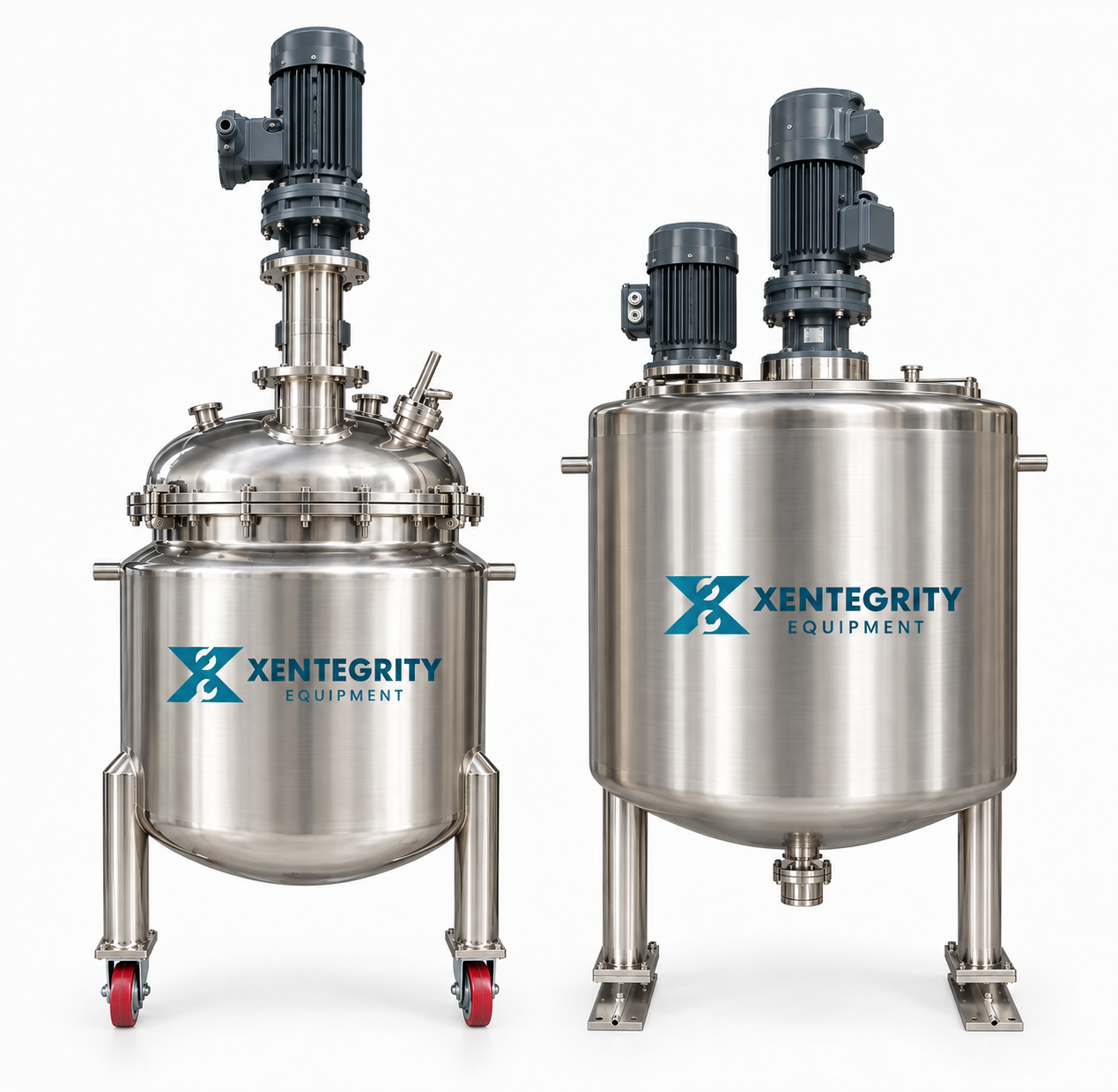
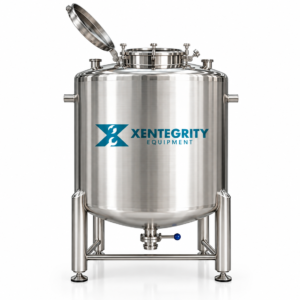
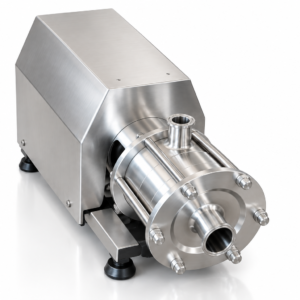
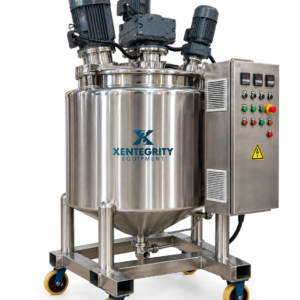
Description
Main Features
- Constructed from SS304 or SS316 stainless steel
- Suitable for liquids, suspensions, and semi‑solid materials
- Efficient mixing performance for a wide range of applications
- Simple operation and low maintenance requirements
- Smooth internal surfaces for easy cleaning
- Compatible with various impeller types depending on process needs
- Stable, corrosion‑resistant structure for long service life
- Available in multiple capacities and configurations
Technical Data
- Tank type: Single‑wall stainless steel mixing vessel
- Material options: SS304 or SS316
- Application range: Solvents, slurries, suspensions, coatings, inks, food ingredients, lab batches
- Operating conditions: Ambient‑temperature mixing
- Cleaning: Manual washdown; CIP compatible depending on configuration
- Agitation: Motor‑driven mixer with adjustable speed (varies by model)
- Typical uses: Blending, dilution, dispersion, sample preparation, and general mixing tasks
Optional Features
- Custom impeller designs (propeller, anchor, paddle, turbine)
- Variable‑speed drive (VFD)
- Sanitary fittings and tri‑clamp connections
- Load cells for batch‑weight monitoring
- Sight glass, sampling port, or lighting port
- Mobile base with locking casters
- Upgraded seals and gaskets for demanding applications
Warranty
12 months (limited warranty)
Single Layer vs. Double Layer Mixing Tanks — Selection Guide
When to Choose a Single Layer Tank
- General mixing, dilution, or dispersion
- Coatings, inks, wastewater treatment, and room‑temperature processes
- Budget‑sensitive projects
- Applications not requiring heating or cooling
When to Choose a Double Layer Tank
- Processes requiring heating or cooling (steam, water, oil)
- Fermentation, crystallization, chemical reactions
- Food and pharmaceutical applications requiring sterilization
- High‑viscosity materials that benefit from temperature‑assisted mixing
Additional Considerations
- Viscosity: High‑viscosity materials may require heating (double‑layer).
- Corrosiveness: Choose appropriate stainless steel grade or lining.
- Hygiene: Double‑layer tanks often preferred for sanitary environments.
- Space: Double‑layer tanks reduce the need for external heat exchangers.
- Operating cost: Double‑layer tanks offer better thermal efficiency long‑term.